
Synergie Technology 2.0
Synergie Technology 2.0 consists of three core technologies: Nutrient Leak-Prevention Technology, Plant Vaccine Technology, and Microflora Activation Technology. They focus on nutrient loss control, crop stress-resistance metabolic regulation, and rhizosphere microecology activation, comprehensively enhancing fertilizer utilization efficiency and overall crop performance.
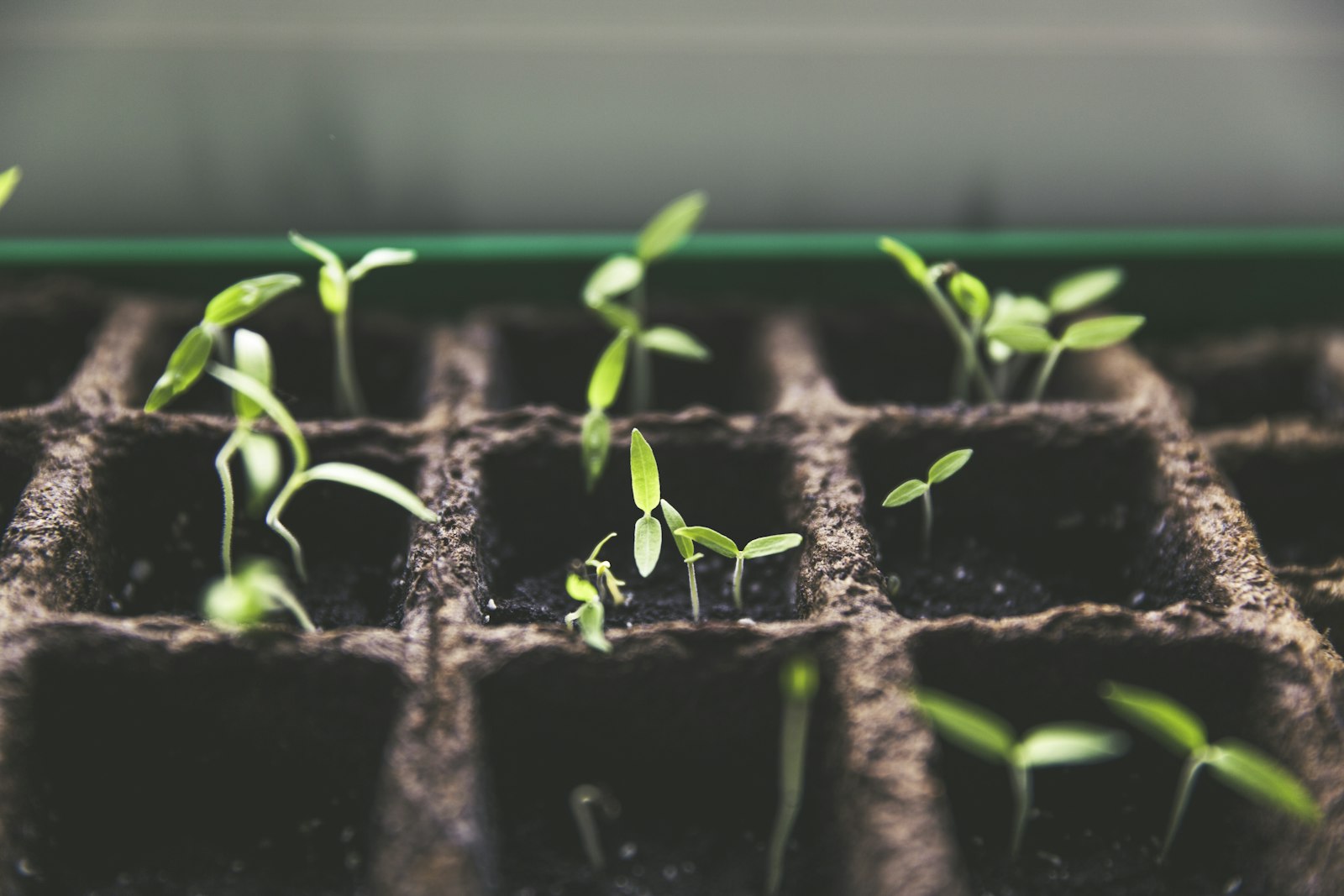
Three Core Technologies
The three technologies act on rhizosphere micro-ecology, nutrient loss control, and crop stress-resistance metabolism, forming the foundation of Synergie 2.0. Each technology features animated videos showcasing principles.
Nutrient Leak-Prevention Technology
Crops require large amounts of nutrient absorption and accumulation during different growth stages, but only a fraction of applied fertilizer is actually utilized. Nutrient Leak-Prevention Technology provides dual regulation of fertilizer and soil, comprehensively reducing nutrient losses and promoting nutrient uptake.
Delays nitrogen transformation, extending nitrogen efficiency by 30–60 days; reduces phosphorus fixation in soil, increasing phosphorus mobility up to 16 cm; and improves potassium fertilizer utilization by over 10% through mineral element synergy. Water-fertilizer-soil coupling technology improves soil aggregate structure, forming a tight protective network around the root system to lock in nutrients and moisture—ensuring fast penetration, minimal leaching, and long-lasting retention.
Plant Vaccine Technology
From sowing to harvest, a seed faces numerous stress challenges such as drought, high temperature, salinity, pests, and diseases. Plant Vaccine Technology regulates stomata and defense genes via signal transduction, stabilizes crop cellular structure, and enhances the tricarboxylic acid (TCA) cycle to supply cells with more energy, constructing a robust stress antibody network.
Key immune metabolic pathways promote crop root growth and stress resistance, boosting water-fertilizer conversion and yield.
Microflora Activation Technology
Hundreds of billions of beneficial bacteria live in the soil around crop roots, but many sit far from the root zone or lie dormant. Microflora Activation Technology awakens beneficial strains such as Bacillus velezensis, Bacillus licheniformis and Streptomyces, drawing them rapidly to the roots to colonise, while suppressing harmful bacteria — establishing a rhizosphere micro-ecosystem that favours crop growth.
A healthy rhizosphere helps roots take up nitrogen, phosphorus and potassium, mobilises phosphorus and potassium already fixed in the soil, and converts atmospheric nitrogen into plant-available nutrition. Root exudates in turn feed the beneficial bacteria, forming a crop–microbe symbiotic cycle that restores rhizosphere vitality.
R&D strength at our German headquarters in Münster, backed by global service points and scientific demonstration bases across major agricultural climatic zones. Whether you are a fertilizer manufacturer, an agricultural distributor, or an agronomic research institution, we partner with you to turn nutrient enhancement science into sustainable market leadership.
Fertilizer Manufacturers
Formulate high-efficiency compound, urea, and specialty lines with U-FORCE, N-FORCE, and DUAL-FORCE active concentrates. Engineered for seamless line integration with zero capital equipment retrofitting.
- FormulationActive Concentrates
- IntegrationDirect Inline Dosing
- Capital OutlayZero Equipment Retrofit
Distributors & Ag Retailers
Build high-margin, differentiated brand portfolios backed by multi-season field trial data dossiers, regional territory exclusivity, and comprehensive agronomist training materials.
- PortfolioHigh-Margin Differentiated
- ValidationMulti-Season Trial Dossiers
- ProtectionRegional Exclusivity
Research & Agronomy Institutes
Co-develop international comparative field trial plots, academic trial data exchange, and next-generation low-carbon nutrient research across key global soil zones.
- NetworkGlobal Climatic Plots
- FocusCarbon Reduction & NUE
- CooperationJoint Academic Exchange